
Local Law 11 Contractor for NYC Facade Report Repairs
The QEWI found the problems, and now someone has to fix them. We are the licensed and insured facade contractor NYC owners, boards and managing agents bring in after the Local Law 11 report is filed, turning every SWARMP and Unsafe item into finished repairs, a clean amended report and a sidewalk with no shed over it.
Scaffold up, repairs underway, shed down next
Licensed and Insured Crews
Certificates of insurance reach your board before anyone climbs the scaffold.
Repair Contractor, Not Inspector
Your QEWI stays independent, and we carry out the work the report calls for.
One Scope for Every Trade
Masonry, terra cotta, stone, sealant, balconies and railings in a single contract.
Planned Around the Shed Clock
Each schedule aims to bring the sidewalk shed down as early as the work allows.
What a Local Law 11 Contractor Does After the Report
Local Law 11 is the law behind the city’s Facade Inspection and Safety Program, known as FISP. Every building taller than six stories must have its exterior walls and attachments examined every five years by a Qualified Exterior Wall Inspector, who files a technical report with DOB rating the facade Safe, Safe With a Repair and Maintenance Program, or Unsafe. The inspector records the conditions but does not repair them.
That gap is where a Local Law 11 contractor comes in. We price each repair listed in the report, file for permits, set up the scaffold or shed, rebuild what is damaged and hand the QEWI the photos and logs needed for an amended filing. SWARMP items get finished before the date the inspector set, and Unsafe items get finished inside the 90 day window, which keeps the building clear of avoidable penalties.
The inspector finds it, the contractor fixes it, and the amended report closes it.
From Facade Report to Sidewalk Shed Removal
Report
Your QEWI files the technical report and rates every condition on the facade.
Review
We walk the building with the report in hand and confirm each item, drop and elevation.
Scope and Bid
A repair method, a quantity and a price are attached to every condition so your board can compare.
Repairs
Licensed and insured crews rebuild masonry, reset stone, seal joints and secure railings.
Close-Out
Photos, product data and daily logs go to the QEWI for the amended report.
Shed Down
Once DOB accepts the amended filing, the shed and scaffold come off the sidewalk.
Which Facade Rating Did Your Building Get?
Nothing needs fixing before the next exam. Routine upkeep now keeps a hairline crack from becoming a SWARMP item five years from now. See facade repair options
The facade is safe today but needs work by a completion date the QEWI sets between one and five years out. Left unfinished, the same condition comes back rated Unsafe in the next cycle. Plan your SWARMP repairs
Public protection goes up at once, and the work has to be finished within 90 days of the filing unless DOB approves an extension. Act on an Unsafe filing
One Facade Contractor for Every Trade on the Wall
Most Local Law 11 reports list more than one kind of work. Keeping every trade with one contractor means one schedule, one scaffold and one set of close-out records.
How to Compare NYC Local Law 11 Repair Bids
Two bids for the same report can sit far apart on price. These six checks show whether they are pricing the same job.
Every Report Item Is Listed
The bid names each condition by location and drop, not one lump sum for the facade.
Quantities Match the Report
Square feet of brick, linear feet of sealant and unit counts line up with what the QEWI recorded.
Repair Methods Are Spelled Out
Each item says whether it gets patched, reset, replaced or rebuilt.
Access and Shed Costs Stand Apart
Scaffold, rigging and shed rental appear as separate lines, each with a duration.
Permits and Filings Are Assigned
The bid states who files for DOB permits and who supplies records for the amended report.
Insurance Meets Board Requirements
Certificates name the owner and managing agent as additional insured before work begins.
NYC Local Law 11 Facade Services We Handle
Eight services cover the work most facade reports call for, from the first scope to the last section of shed.
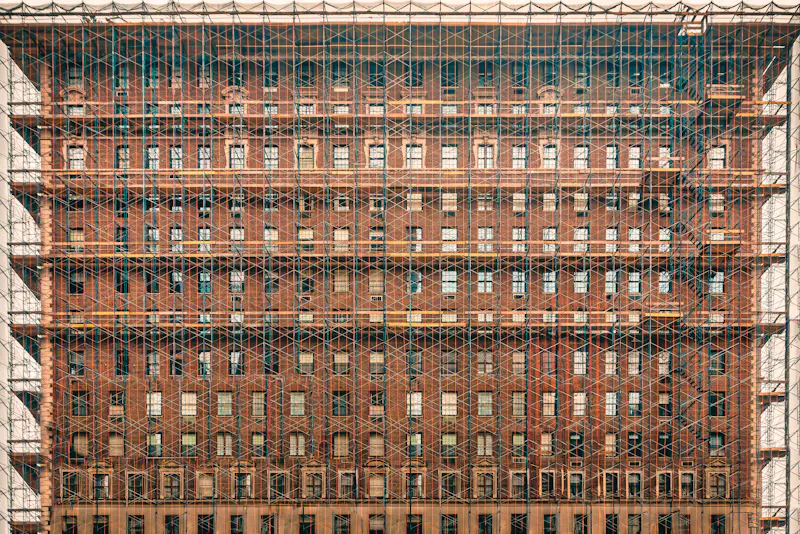
Full-scope repairs for every condition in your FISP report, under one contract.
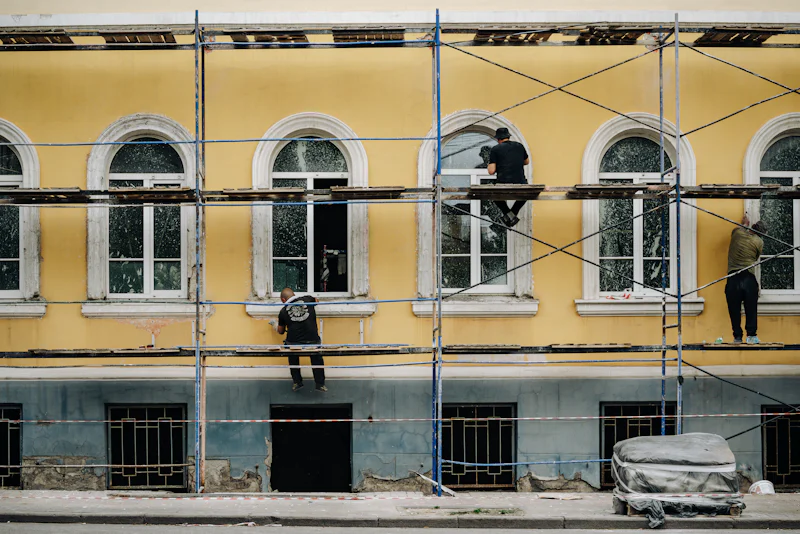
Repair and maintenance items finished before the completion date your inspector set.
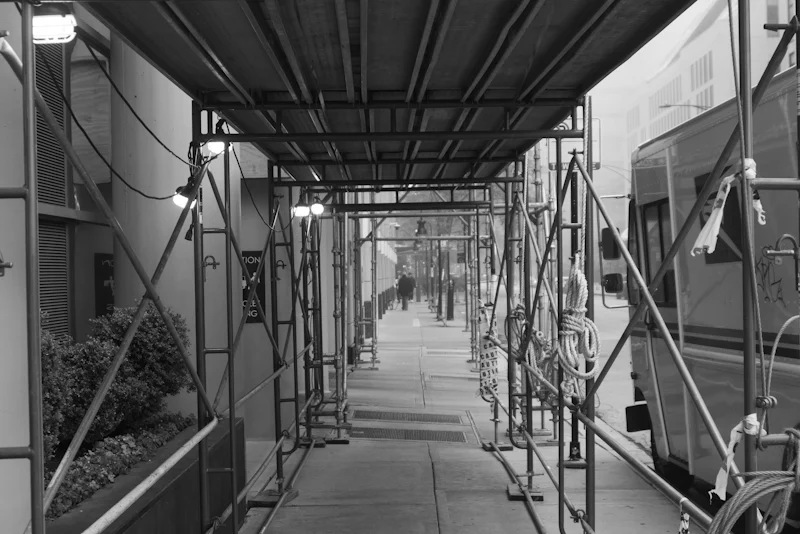
Protection and repairs that answer an Unsafe filing inside the 90 day window.
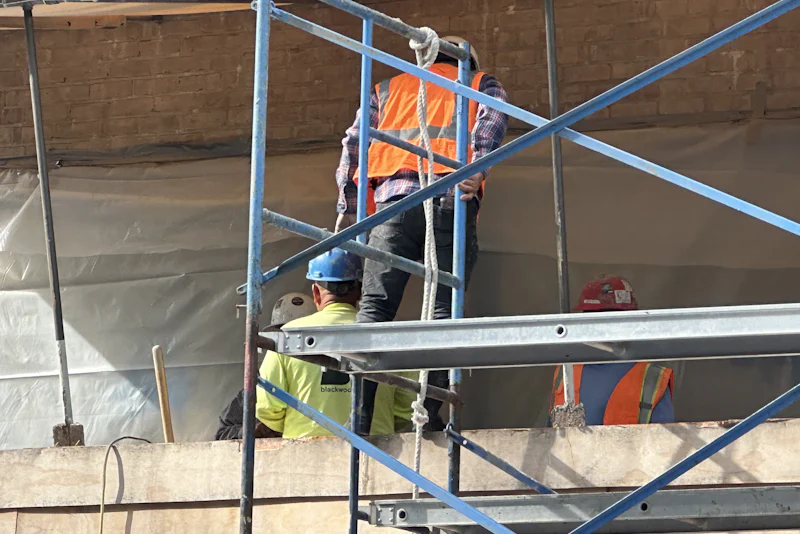
We line up an independent QEWI and keep access ready for the critical examination.
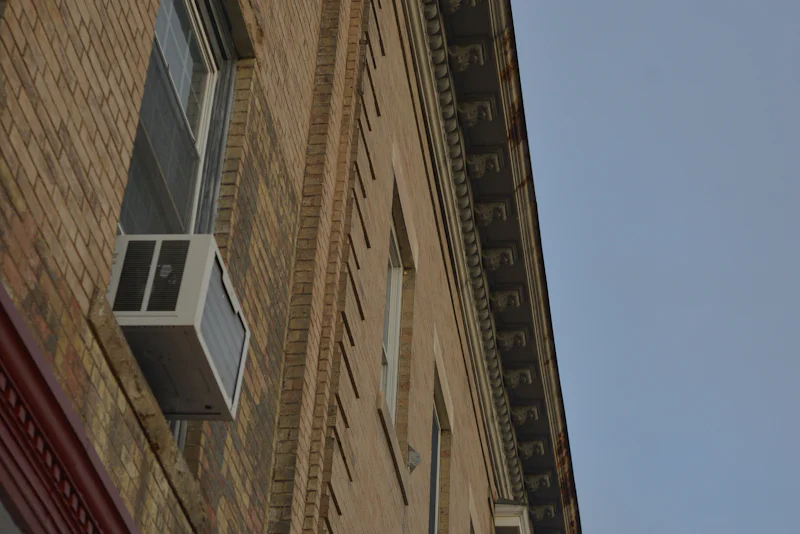
Repointing, brick replacement and rebuilding where walls have cracked, bulged or loosened.
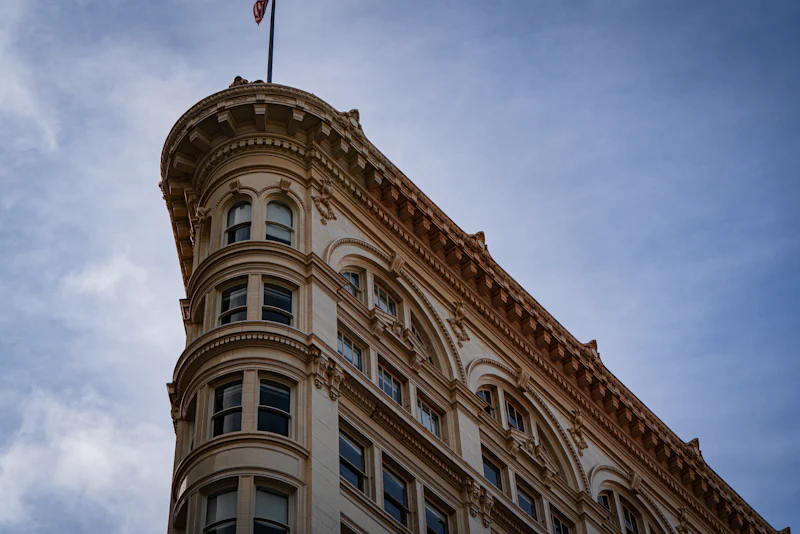
Patching, anchoring and replacement of ornamental units and heavy cornices.
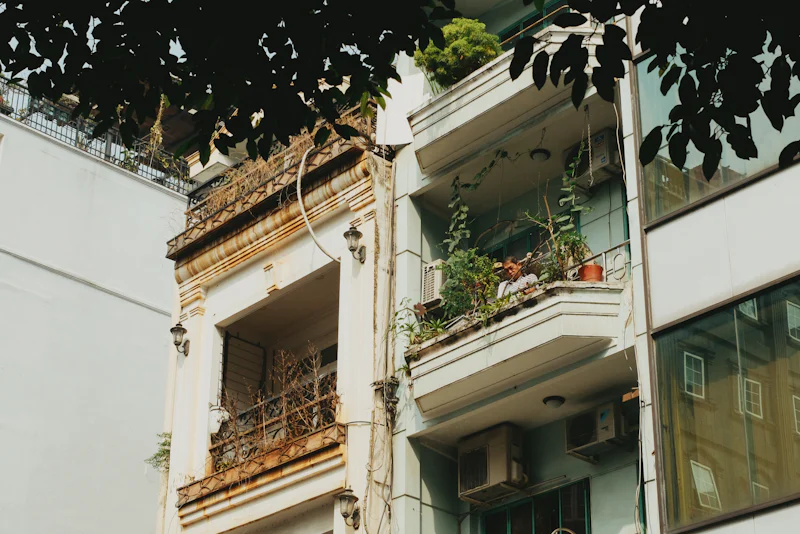
Slab edge, guardrail and anchor repairs that make every balcony safe to step onto again.
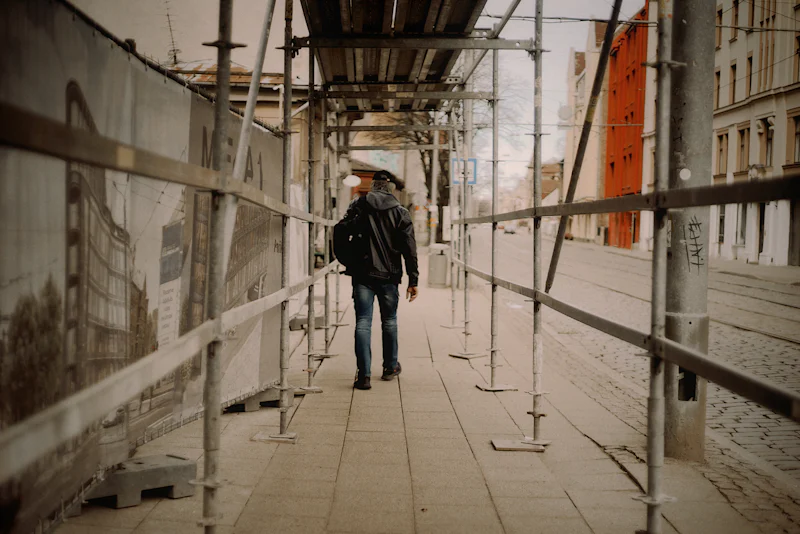
A repair plan built to finish the work and take the shed off your sidewalk sooner.
Shortening the Time Your Shed Stays Up
A sidewalk shed costs rent every month it stands, hides storefronts and darkens windows, and the newer city shed laws attach firm deadlines for filing plans, pulling permits and finishing repairs. The quickest route to taking it down is a repair plan built around the shed from day one, rather than work squeezed in around it.
Order Long-Lead Materials First
Terra cotta, cast stone and custom railings go on order the day the scope is approved.
Finish One Elevation at a Time
Completed areas can be certified and cleared through a Partial Shed Removal while work continues elsewhere.
Keep Records Current Daily
Photos and logs stay up to date, so the QEWI can file the amended report as soon as repairs end.
Working With Your QEWI, Not Replacing One
Only a Qualified Exterior Wall Inspector, a licensed engineer or architect who meets DOB’s experience requirements, can examine a facade and sign a Local Law 11 report. We never sign or rate a facade ourselves. When an owner needs an inspection, we coordinate with an independent QEWI, and our part of the job begins once the findings are in.
- The QEWI Answers to You. The inspector works for the owner, so the findings stay separate from whoever does the repairs.
- One Access Plan for Both. Scaffolds and rigging set up for the close-up exam can often stay in place for the repair work.
- Records Built for the Amended Report. Each repair is documented the way the QEWI needs it for the follow-up filing.
Where We Work Across New York City
We handle Local Law 11 repairs on buildings above six stories in four boroughs.
Manhattan
Prewar towers, cast iron lofts and terra cotta high-rises above tight, busy sidewalks.
Brooklyn
Brick apartment houses, waterfront condos and landmarked blocks with strict design review.
Queens
Brick co-ops and newer towers rising near the subway lines and the waterfront.
The Bronx
Large prewar elevator buildings with parapets, fire escapes and long street frontages.
Local Law 11 Questions From NYC Owners and Boards
It is the city law behind the Facade Inspection and Safety Program, or FISP. Buildings taller than six stories must have their exterior walls and attachments examined every five years and file a technical report with DOB.
Any building higher than six stories. DOB publishes a map of buildings in the program, but the owner is still responsible for confirming whether the building is covered.
Cycle 10 is split into three sub-cycles by the last digit of the block number. Sub-cycle 10A covers block numbers ending in 4, 5, 6 or 9 and runs from February 21, 2025 to February 21, 2027. Sub-cycle 10B covers 0, 7 or 8 and runs from February 21, 2026 to February 21, 2028. Sub-cycle 10C covers 1, 2 or 3 and runs from February 21, 2027 to February 21, 2029.
Only a Qualified Exterior Wall Inspector approved by DOB. As a repair contractor, we coordinate with an independent QEWI and never sign the report ourselves.
Safe With a Repair and Maintenance Program. The facade is safe now, but the QEWI sets a completion date between one and five years out. A SWARMP item that is still unrepaired cannot be carried as SWARMP again and gets rated Unsafe in the next cycle.
Sidewalk protection has to be installed right away, and the 90 day repair clock starts with the Unsafe filing. When work runs longer, the QEWI can file an extension request with DOB.
Filing late adds $1,000 for each month, and not filing at all adds another $5,000 per year. An uncorrected SWARMP item carries a $2,000 penalty, and an Unsafe condition left unrepaired draws monthly penalties under the DOB rule that grow with the length of the shed.
Shed laws passed in 2025 limit shed permits to 90 days at a time and set deadlines that start with the first shed permit, with construction documents due in 5 months, permit applications in 8 months and repairs finished within 2 years. Missing those deadlines can bring violations of $5,000 to $20,000, and DOB is still writing the rules for extensions.
Yes, in sections. A Partial Shed Removal request lets protection come off finished areas once they are certified safe, while crews keep working elsewhere.
It can, for the year it is filed, if it includes the information the parapet rule requires. In the years between FISP reports, a building whose parapet faces the street still needs its own observation.
Phone us at (917) 355-8556, or upload the QEWI report and a few photos through the form below. We review every item and send back an itemized bid your board can compare line by line.