
Brick and Masonry Facade Repair in NYC, From Repointing to Full Rebuilds
Most facade items in a FISP report trace back to brick, whether it is open mortar joints, a cracked corner or a bulge where hidden ties have rusted away. Our licensed and insured masons repoint, rebuild and re-anchor brick walls to match the original, then document every repair so your QEWI can close out the report.
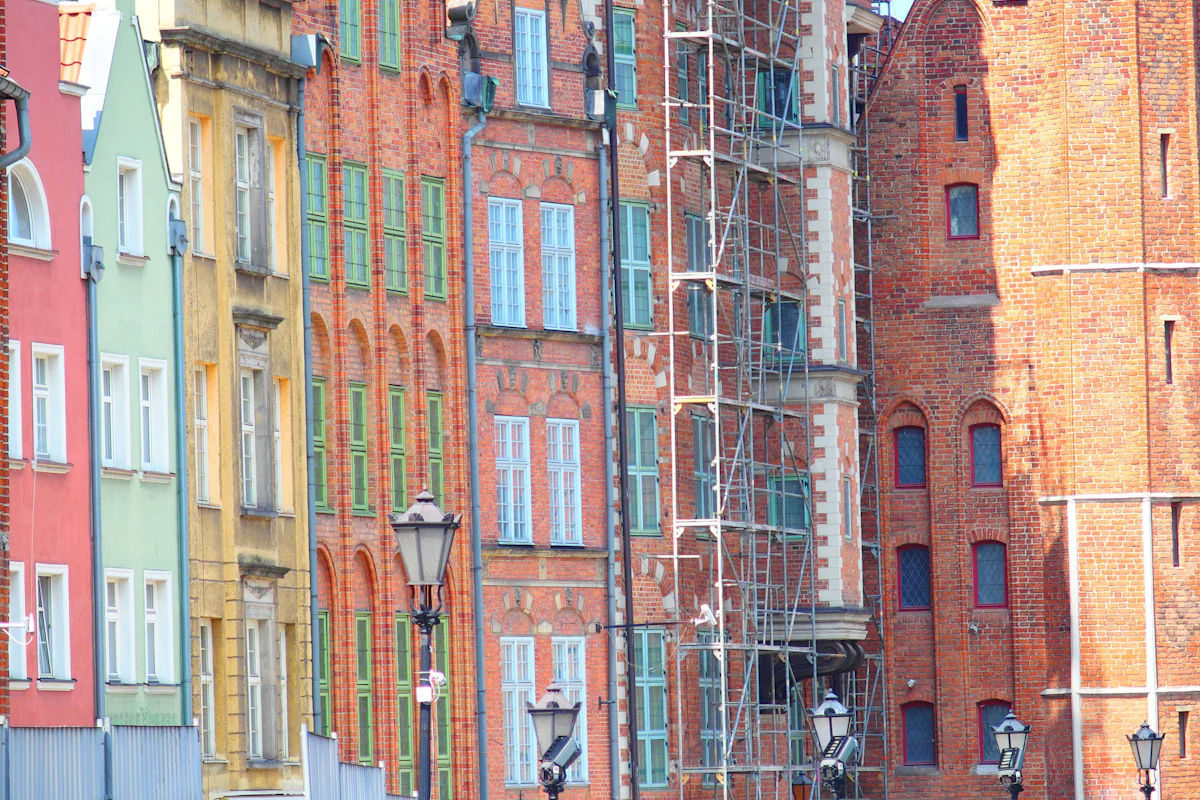
What Brick Facade Repair Covers on an NYC Building
Brick facade repair restores a masonry wall so it sheds water, stays tied to the structure and keeps loose pieces off the sidewalk. On most NYC buildings that means some mix of repointing worn joints, replacing spalled or cracked brick, rebuilding sections that have moved, and fixing the lintels, shelf angles and ties hidden behind the face. The method comes from what the wall is doing, never from a standard menu.
Smaller jobs can go ahead without plans. DOB lists brick repointing as exempt work, along with replacing individual bricks in the outer wythe up to 10 square feet in one spot and no more than 4 feet across, capped at 150 square feet over all facades. Anything larger, such as a parapet rebuild or a new shelf angle, needs a registered design professional to file plans and pull a work permit first. Landmarked buildings also need LPC approval for the mortar, the brick and any cleaning.
| Brick Condition in the Report | Our Repair Method |
|---|---|
|
Deteriorated or open mortar joints |
Grind or rake joints to sound mortar, then repoint with a mix matched in color, strength and joint profile to the original |
|
Spalled, cracked or missing brick |
Cut out the damaged units and tooth in salvaged or matched brick, keeping the bond pattern and course lines true |
|
Step cracks or vertical cracks through the wall |
Find the cause first, then stitch the masonry with stainless helical bars, or rebuild the area if the units have shifted |
|
Bulging or bowed masonry across a large area |
Pin the face to the backup with stainless helical ties, or take down and relay the bulge when the bricks have lost their bed |
|
Rust stains and cracked brick at lintels or shelf angles |
Open the brick above, clean or replace the steel, add flashing with end dams and weeps, then rebuild with a soft joint where needed |
|
Cracked or loose brick at the parapet |
Take the parapet down to sound brick and relay it with anchors, through-wall flashing and a fresh coping so water stops entering from the top |
Brick Conditions in Your FISP Report and How We Repair Them
Inspectors describe brick in shorthand. Here is what common report language means for the crew on the scaffold.
Why Brick Walls in NYC Crack, Bulge and Spall
Brick itself can last for generations. Trouble usually starts with water and the steel buried inside the wall.
Water Gets Into the Joints
Worn mortar lets rain soak the wall, and every freeze and thaw pushes the face of the brick a little further off.
Hidden Steel Rusts and Swells
Lintels, shelf angles and wire ties expand as they corrode, which lifts brick, opens cracks and breaks the bond to the backup.
No Room for the Wall to Move
Many older and mid-century walls were built without soft joints, so seasonal movement ends up as cracking.
Our Brick Facade Repair Process, Start to Close-Out
Map Every Condition
Each repair is marked on elevation drawings and photos keyed to the numbering in your FISP report.
Match Mortar and Brick
Test panels let you and the QEWI approve color, texture and joint profile before full production begins.
Repair From the Inside Out
Steel, flashing and ties are fixed before the face is rebuilt, so the visible work never hides an open problem.
Document for Close-Out
Before and after photos, mortar product sheets and a signed completion letter reach your inspector.
Common Brick Conditions on NYC Facades
Four conditions account for most of the masonry work we price. Each has a typical cause and a repair that lasts.
Eroded Mortar Joints
Joints recessed a quarter inch or more, or crumbling to the touch, need repointing before water reaches the backup wall.
Spalling Brick Faces
Once the fired face pops off, the softer core erodes fast, so damaged units are replaced rather than coated over.
Cracks at Corners and Openings
Diagonal and step cracks near windows usually point to rusting lintels or settlement that needs a structural fix.
Bulges and Displaced Courses
A wall pushing outward has lost its ties or its bed, and it is often rated Unsafe until it is pinned or rebuilt.
Scaffolds, Sheds and Permits for Masonry Work
Pipe Scaffold for Heavy Rebuilds
Large brick replacement and shelf angle work need a stable deck that can carry pallets of brick and mortar mixers.
Plans When the Scope Grows
Work beyond the DOB exempt limits goes through a registered design professional, and we coordinate the filing and permit.
LPC Review on Landmarks
Sample panels and specifications for brick and mortar are prepared for Landmarks staff approval before the wall is opened.
Is your FISP report full of brick items? Send it over for a repair scope with quantities for every elevation.
A Brick Repair Proposal Your Board Can Compare
Elevation Repair Map
Every repair marked on drawings and photos, keyed to the inspector’s numbering.
Quantities by Type
Square feet of repointing, counts of brick and linear feet of steel, so bids compare line by line.
Mortar and Brick Submittals
Product data and test panel photos for the QEWI and, where required, for LPC.
Close-Out Binder
Completion photos, permit sign-offs and a letter the inspector can rely on for the amended filing.
Brick Facade Repair Cost Factors in NYC
Masonry is priced by quantity and access. These five factors move the number most.
Repointing Area and Joint Depth
Deep, wide joints take more cutting and more passes of mortar than shallow ones.
Brick Matching
Stock brick is easy to source, while salvaged or custom-run brick for older walls adds cost and lead time.
Hidden Steel
Lintels and shelf angles often look worse once the brick is open, so unit prices for extra steel are agreed in advance.
Wall Height and Setbacks
Taller walls and courtyard elevations need more rigging and longer setups.
Landmark Requirements
Mortar analysis, hand raking and LPC sample review add time on designated buildings.
When to Repoint, Replace or Rebuild Brick
- Repoint When Only the Joints Have Failed. Sound brick with eroded joints needs fresh mortar and nothing more.
- Replace When Units Are Damaged. Spalled, cracked or loose bricks come out one by one and are toothed back in with a match.
- Rebuild When the Wall Has Moved. Bulges, displaced courses and failed ties call for taking the section down and relaying it on new anchors.
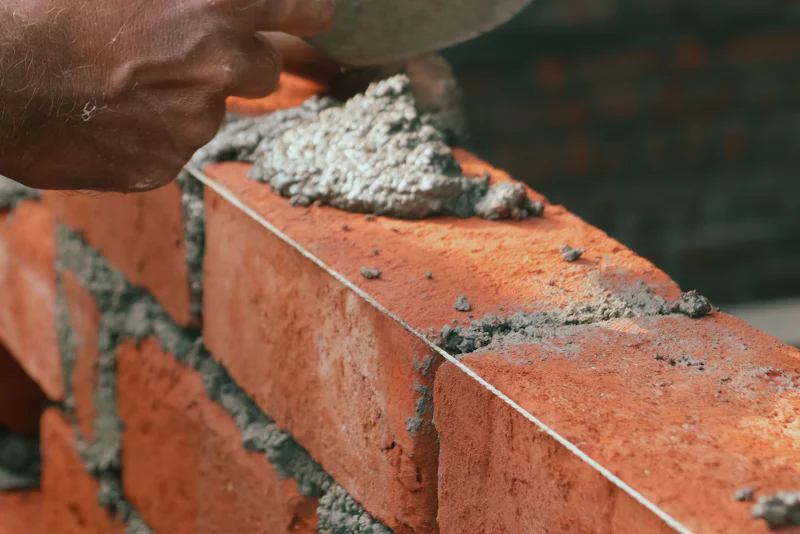
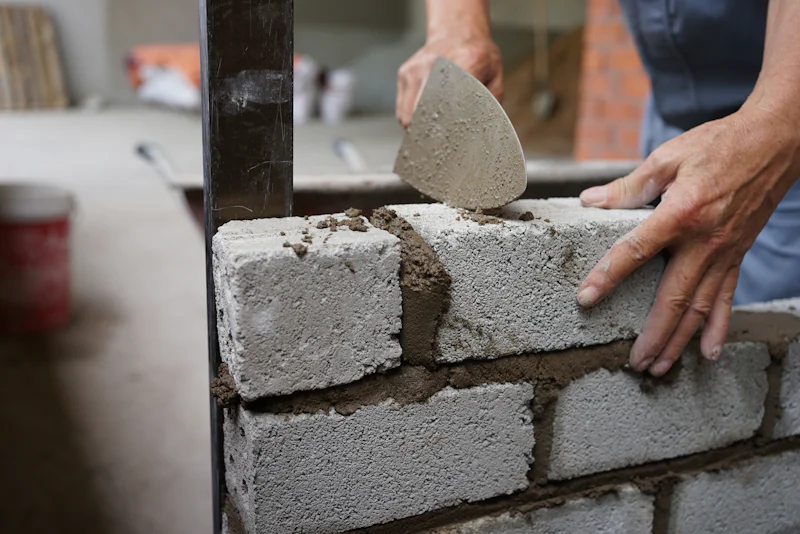
Brick and Masonry Facade Questions From NYC Owners
No. DOB lists brick repointing as exempt facade work on every building. Landmarked buildings still need LPC approval, and any sidewalk shed or scaffold carries its own requirements.
Individual bricks in the outer wythe can be replaced up to 10 square feet in one area and no more than 4 feet horizontally, with a total of 150 square feet across all facades. Past that, a registered design professional has to file plans.
A properly matched and cured job can last for decades, often through several FISP cycles. Early failure usually means the mortar was too hard, the joints were cut too shallow or water is still getting in from above.
Rarely on its own. A clear, breathable water repellent can help porous brick, but it will not stop water passing through open joints, failed flashing or cracks, so repairs come first. On landmarks, LPC treats coatings as temporary protection.
One that is softer and more permeable than the brick, so the joint gives way before the brick does. Type N is common for repointing, and lime-rich Type O suits many 19th-century walls. Hard Portland mixes on soft brick lead to spalling.
Stainless steel ties set through the brick face into the backup wall to reattach a veneer whose original ties have rusted. They go in through small holes, so the wall rarely has to come down.
Most often the steel lintel above the opening is rusting. Rust takes up several times the volume of the steel it replaces, lifting the brick and opening cracks until the lintel is treated or replaced.
Mortar needs warmth to cure. LPC specifications call for a steady 45°F or above for 72 hours, and careful crews follow a similar rule on any building, using heated enclosures when the work cannot wait.
Close matches come from salvaged brick, custom runs and test panels. Fresh mortar often looks lighter for a few months while it cures and weathers in. See our full facade repair service