
Terra Cotta, Stone and Cornice Repair in NYC for Ornamental Facades
Ornament is where many facades fail first, because terra cotta, carved stone and projecting cornices hang on hidden anchors that rust out of sight. Our licensed and insured crews secure, repair and replace these elements to match the original, working alongside your QEWI and, on landmarked buildings, with LPC.
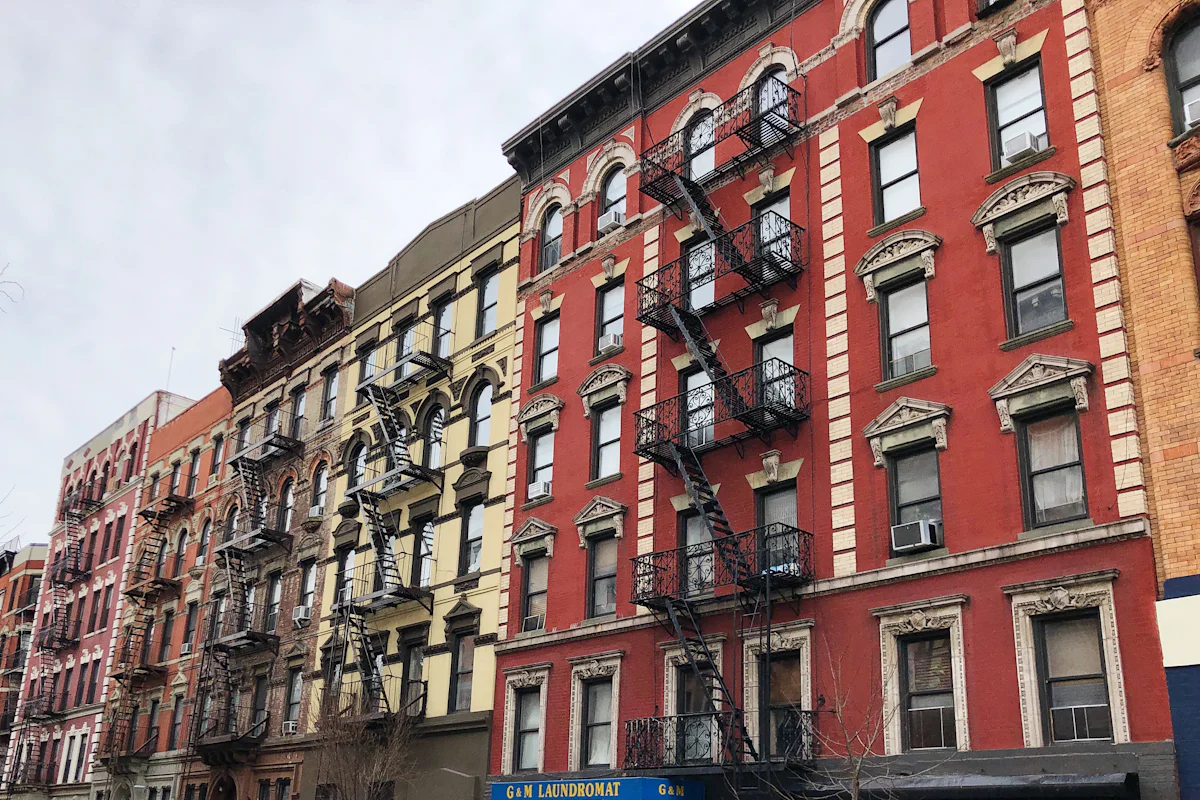
What Terra Cotta, Stone and Cornice Repair Involves
This work restores the decorative and projecting parts of a facade, from glazed terra cotta blocks and limestone sills to brownstone trim and the cornice at the roof line. Most jobs begin by sounding each unit with a mallet and opening suspect areas, since a piece can look intact while its anchors have corroded away. Depending on what turns up, a unit is pinned, patched with a matched repair mortar, reset on new stainless anchors or replaced.
On landmarked buildings, replacement material follows set rules. LPC generally expects terra cotta and natural stone to be replaced in kind at or below the sixth story of the primary facade, while higher up it can accept substitutes such as GFRC, cast stone or, for elaborate top-floor cornices, painted fiberglass. Elsewhere the choice rests on weight, lead time and how the material weathers, and the QEWI reviews the finished work before the amended report is filed.
| Ornament Condition in the Report | How We Fix It |
|---|---|
|
Cracked or spalled terra cotta units |
Pin cracked pieces with stainless rods, patch small spalls with a compatible compound, and replace units that have lost their face |
|
Crazed or failed glaze letting water in |
Seal open joints, treat crazed areas and replace units where water has already broken down the clay body |
|
Loose or displaced ornament found by sounding |
Remove it under control the same day, then reset it on new stainless anchors tied back to sound structure |
|
Delaminating or sugaring limestone and brownstone |
Dress back unsound stone and rebuild the profile with a tinted repair mortar, or set a dutchman of new stone |
|
Rusted iron cramps splitting sills and copings |
Lift the stone, cut out the corroded cramp, and reset the piece on stainless anchors with a soft joint |
|
Sagging or rusted sheet metal cornice |
Rebuild the framing behind it, replace failed sections and reflash the top so water no longer collects inside |
From Report Line to Repair Method for Terra Cotta and Stone
Inspectors often group ornament under one line item. Here is how we break those entries into real repair work.
Why Ornamental Facades Wear Out Faster Than Plain Walls
Ornament sticks out from the wall and carries more joints, so it takes the worst of the weather. Three causes show up most.
Water Behind the Glaze
Terra cotta is hollow, and once water slips past cracked glaze or open joints it sits inside, rusting anchors and freezing in winter.
Anchors Nobody Can See
Iron straps and cramps set a century ago corrode inside the wall, so ornament can come loose while its face still looks fine.
Old Patches That Trap Moisture
Hard cement patches and coatings from earlier repairs hold water against soft stone and speed up the decay around them.
Ornamental Facade Repair, Step by Step
Sound and Survey Each Unit
Every piece is tapped, photographed and logged on an elevation map so hidden failures show up early.
Match the Material
Color, glaze, texture and profile samples are prepared, and long-lead units are ordered as soon as the scope is set.
Re-Anchor Before Rebuilding
New stainless anchors go into sound structure first, so every patched or replaced piece has something solid to hang on.
Record It for Close-Out
Anchor layouts, product data and finished photos go to your QEWI for the amended filing.
Terra Cotta, Stone and Cornice Repair by Material
Each material fails in its own way and calls for its own fix. Choose a tab to see how we handle it.
- Terra Cotta
- Stone
- Cornice
Terra Cotta Facade Repair
Glazed terra cotta clads many prewar towers and apartment houses, with hollow blocks hung on iron anchors. We sound every unit, pin and patch where the body is sound, and replace failed blocks with new terra cotta or an approved substitute matched in color and glaze.
- Stainless pinning for cracked units
- Glaze and joint repair to keep water out
- New units made to the original profile
Limestone, Brownstone and Granite Repair
Natural stone wears through delamination, sugaring and rusting cramps. We dress back loose stone, rebuild profiles with tinted repair mortar, set dutchmen where a patch would not last, and reset sills and copings on stainless anchors.
- Composite patching tinted to the stone
- Dutchman repairs with new or salvaged stone
- Resetting sills, lintels and copings
Cornice Repair and Replacement
Cornices project the farthest and carry the most risk. Sheet metal cornices rust at their seams and rot at the wood framing behind, while stone and terra cotta cornices depend on anchors deep in the parapet. We stabilize, repair or replace each one, using lighter materials where the rules allow.
- Framing and bracket rebuilds for metal cornices
- Re-anchoring stone and terra cotta cornices
- Fiberglass, GFRC or aluminum replacements where approved
Rigging, Netting and Approvals for Ornament Work
Netting While Pieces Are Assessed
Debris netting or a shed keeps loose fragments off the sidewalk until every unit has been sounded.
Hoisting Heavy Units
Replacement stone and terra cotta can weigh hundreds of pounds, so rigging and hoists are planned before the first piece comes down.
LPC and DOB Filings
Material samples, drawings and permits for cornice or unit replacement are prepared before work starts.
Does your FISP report flag terra cotta, stone or a cornice? Send it in for a repair scope organized piece by piece.
Records Your Board Gets for Terra Cotta and Stone Work
Unit by Unit Survey
Each piece tagged with its location, condition and the repair chosen for it.
Material Options Compared
In-kind and substitute choices side by side, with lead times and weights.
Sample Approvals
Glaze, stone and mortar samples photographed for the QEWI and LPC.
Anchor and Close-Out Records
Anchor layouts, photos and product data the inspector can file against.
Pricing Terra Cotta, Stone and Cornice Work
Ornament is priced piece by piece. Five factors shape the total.
Number of Failed Units
Pinning a few cracked blocks costs far less than replacing whole courses.
In-Kind or Substitute Material
New terra cotta and cut stone cost more and take longer than GFRC or fiberglass.
Fabrication Lead Time
Custom units can take months to produce, which can stretch scaffold and shed time.
Cornice Size and Projection
Long, deep cornices need more framing, anchors and rigging.
Landmark Review
Samples, drawings and LPC approval add steps on designated buildings.
Choosing Between Repair, Recast and Replacement
- Repair When the Unit Is Sound. Small cracks and spalls on a well-anchored piece are pinned and patched in place.
- Recast When the Shape Is Lost. Missing or broken ornament is molded from a surviving twin and cast in a matched material.
- Replace When the Body Has Failed. Units that are hollow, saturated or split through come out, and new ones go in on fresh anchors.
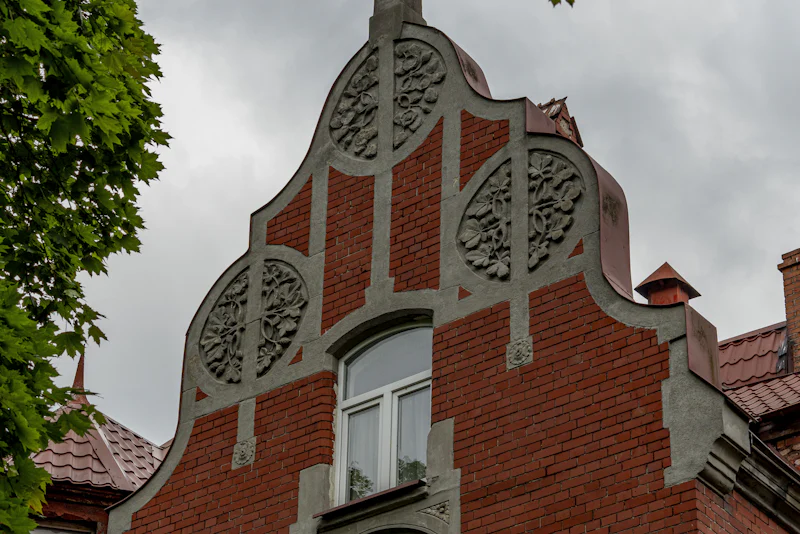
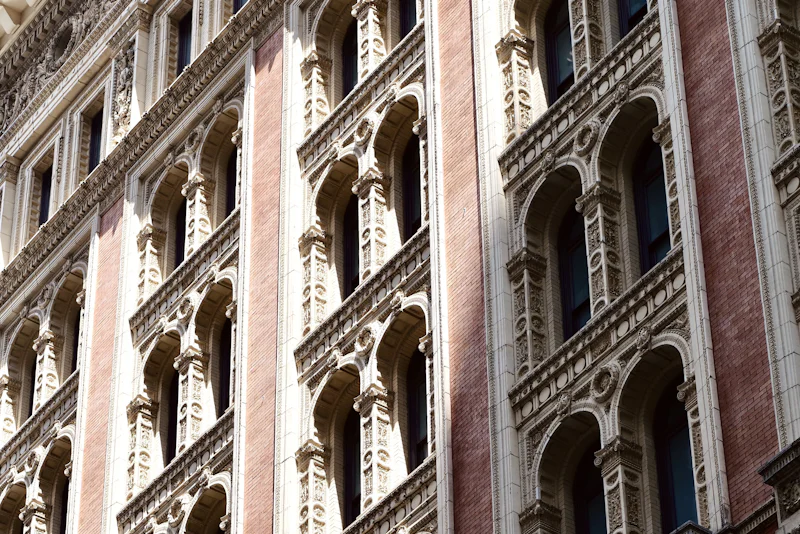
Terra Cotta, Stone and Cornice Questions From NYC Owners
Mostly water. Once it gets through cracked glaze or open joints, it collects inside the hollow units, rusts the iron anchors and freezes, which cracks the clay from within.
Often, yes. Cracked units can be pinned and small spalls patched with a compatible compound. Replacement is kept for pieces whose clay body has broken down or whose anchors cannot be reached.
LPC generally asks for new terra cotta at or below the sixth story of the primary facade. Higher up, it may accept GFRC or another substitute that matches the color, texture and profile.
Custom units are molded and fired to order, so lead times often run several months, and large orders can take a year or more. Fiberglass or GFRC pieces can usually be made in a fraction of that time.
A piece of new or salvaged stone cut to fit a damaged area and set into the original, used where a patch would not hold or would not match.
Removal is possible on some buildings, but it needs DOB filings and a watertight finish at the top of the parapet. On landmarked buildings and in historic districts, LPC must approve any removal.
For large, high cornices it is light, quick to fabricate and will not rot. LPC has approved painted fiberglass for elaborate top-floor cornices, and one recent co-op project put installation at roughly a third of the cost of new terra cotta.
Many were made with hard, dense cement that does not move or breathe like the stone. They trap water behind them and crack loose, often taking sound stone with them, so they are cut out and redone with a compatible mortar.