
Sidewalk Shed Removal in NYC by Finishing the Repairs That Keep It Up
A sidewalk shed comes down when the facade condition behind it is fixed and signed off, and not a day before. Licensed and insured, our crews work through every repair your QEWI listed, keep the work moving between permit renewals, and hand over the records needed to dismantle the shed and give the sidewalk back.
How Sidewalk Shed Removal Works in NYC
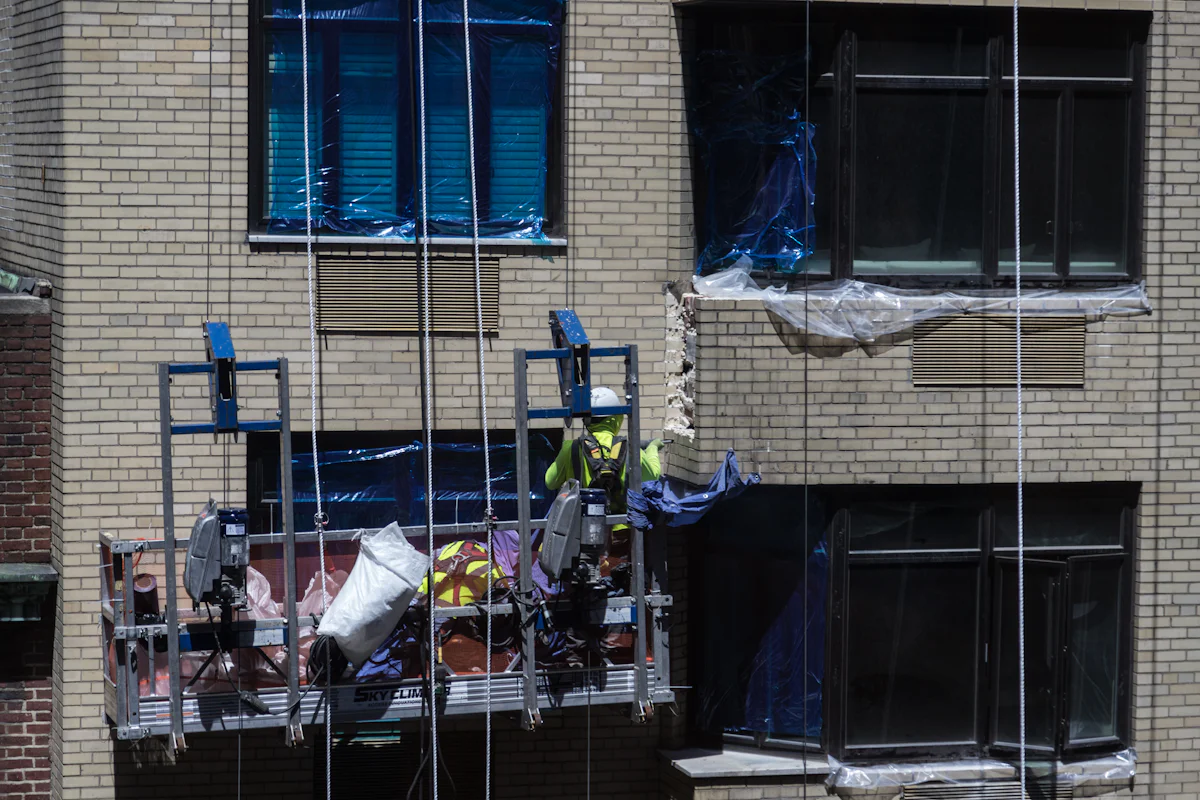
A shed put up for facade work in NYC can only be taken down once the unsafe condition it protects has been corrected. The QEWI then looks at the finished repairs and sends DOB an amended report, and the shed company dismantles the structure under its permit. Most sheds that stand for years are waiting on repairs that stalled, so shortening shed time really comes down to scoping, filing and finishing the facade work.
City rules now push owners the same way. Shed permits tied to facade repairs last 90 days instead of a year, and from the second renewal a registered design professional must report to DOB that work is underway. When nothing is happening, each renewal carries a monthly charge between $10 and $200 for every linear foot of shed, climbing as the shed ages. Buildings taller than six stories also face fines between $5,000 and $20,000 for missing filing and repair milestones after the shed permit is issued.
| Why the Shed Is Still Up | What We Do to Clear It |
|---|---|
|
Unsafe condition listed in the FISP report |
Repair the cited element, then book the QEWI to inspect and file the amended report so dismantling can be scheduled |
|
Repairs stalled waiting on filings |
Prepare scope and quantities for your design professional so construction documents and the work permit go in on time |
|
Loose pieces above an entrance or the sidewalk |
Remove or secure the material within days, then plan the permanent fix around it |
|
Work blocked by a neighbor or roof access |
Arrange access agreements or alternate rigging, and log the delay in case a hardship exemption applies |
|
Permit close to its 90-day expiry with little progress |
Mobilize crews and keep dated photo logs so the renewal report shows real activity |
|
Repairs finished but no amended report filed |
Pull together photos, material data sheets and a close-out letter so the QEWI can file without waiting on us |
Why Your Sidewalk Shed Is Still Standing and What Clears It
Every shed is tied to specific findings and paperwork. Resolve these and the shed has no reason to stay.
Why NYC Sidewalk Sheds Stay Up for Years
Few sheds linger because the repair is difficult. Most linger because nobody owns the schedule.
Reports That Never Become a Scope
The report names conditions, but no one turns them into quantities and a bid, so months slip by before a crew is hired.
Rent That Feels Cheaper Than Repairs
Monthly shed rent looks small next to a facade budget, until it runs for years and the new penalties stack on top.
Trades Hired One at a Time
Booking masonry, sealant and steel work separately means each crew waits for the last one to pack up.
Our Path From Shed Up to Shed Down
Match the Shed to Its Cause
We tie the shed to the exact report items and permit it was filed under, so nothing extra is holding it in place.
Price and Schedule the Repairs
Quantities, crew size and a finish date are set before work starts, with every 90-day renewal marked on the calendar.
Fix the Cited Items First
Crews tackle the conditions that justify the shed before anything cosmetic, so protection can go as early as possible.
Sign Off and Dismantle
When the QEWI files the amended report, we book the shed company to take the structure down and clear the walkway.
Shed Deadlines NYC Owners Now Work Against
Recent laws put a clock on every facade shed. These are the dates that count once the shed permit is issued.
Every 90 Days
The permit expires and needs renewal, and from the second renewal a design professional reports on progress.
Within 5 Months
Construction documents for the unsafe condition are due at DOB for buildings taller than six stories.
Within 8 Months
An acceptable work permit application has to be on file for the repairs.
Within 2 Years
The facade repairs should be complete, or the owner risks fines on top of FISP penalties.
Shed Height, Lighting and Netting Rules Owners Should Know
Taller, Brighter Sheds
New sheds need at least 12 feet of clearance and brighter LED lighting, shielded near apartment windows.
Netting Where No One Walks
Containment netting can replace a shed in areas with no public access, which saves cost on rear and courtyard walls.
More Color Choices
Owners are no longer limited to hunter green, as long as the shed and any construction fence match.
Has your shed been up longer than the repairs should take? Send the report and permit details for a plan to bring it down.
What Boards Receive While the Shed Clock Runs
Renewal Calendar
Every permit expiry and report date in one schedule, so nothing lapses.
Progress Logs
Dated photos and crew counts that back each renewal and any hardship claim.
Penalty Exposure Estimate
Shed length and age turned into the monthly penalty you could face if work stops.
Removal Package
Completion letter, photos and amended report confirmation that clear the way to dismantle.
What Decides the Cost of Getting a Shed Removed
Taking the shed down is the smaller bill. The open repairs and the months of rent decide most of the total.
Repairs Still Open
The number and type of cited conditions drive most of the budget.
Shed Length and Age
Longer and older sheds carry more rent and steeper penalty rates while work drags on.
Access Above the Shed
Pipe scaffold, swing stages or roof rigging each bring a different setup.
Filings Not Yet Made
Construction documents and permits still to be filed add design fees and lead time.
Dismantling and Cleanup
Taking down the structure and repairing marks left on the sidewalk or storefronts close out the job.
Signs Your Shed Is Ready to Come Down
- Every Cited Item Is Repaired. Conditions listed as Unsafe have been permanently fixed, not just made safe for now.
- The QEWI Has Seen the Finished Work. Your inspector has checked the repairs and is ready to file the amended report.
- The Permit Still Has Time Left. Dismantling under a current permit avoids another renewal and its fees.
Sidewalk Shed Removal Questions From NYC Owners
Once the condition it protects has been corrected and the QEWI has filed an amended report confirming the repair. Taking it down earlier, while the hazard remains, can bring violations and puts people below at risk.
Shed permits issued for facade work now run 90 days and must be renewed to stay up. From the second renewal, a registered design professional has to show DOB that repair work is underway.
Renewal penalties run from $10 to $200 per linear foot each month, rising with the age of the shed, and the permit cannot be renewed until they are paid. Documented financial hardship or access problems can qualify for an exemption.
The company that holds the shed permit, usually the firm that put it up. We schedule that visit as soon as the repairs are signed off, so the sidewalk is cleared without a gap.
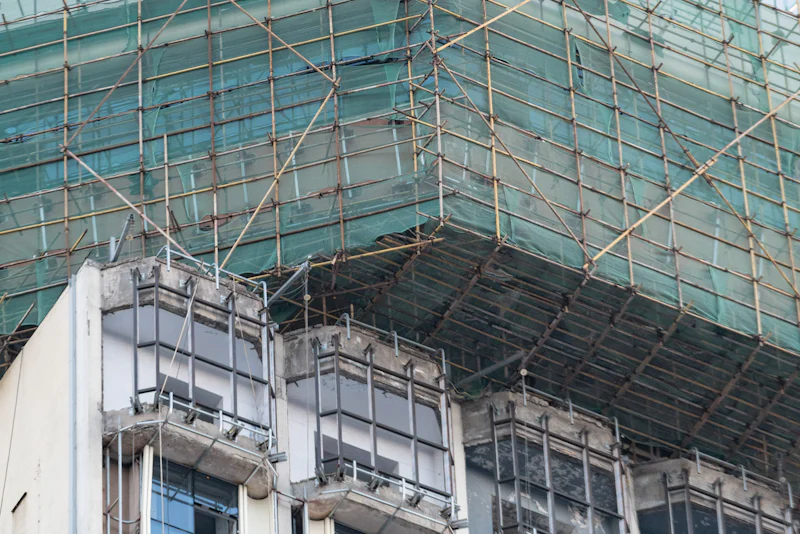
In areas with no public access, such as some rear yards and courtyards, containment netting can be used instead. Wherever people walk below, a shed or other approved overhead protection is still required.
Usually not. A SWARMP rating means repairs are due before the next cycle, not that the facade is dangerous today, so a shed is generally required only when the QEWI reports an Unsafe condition.
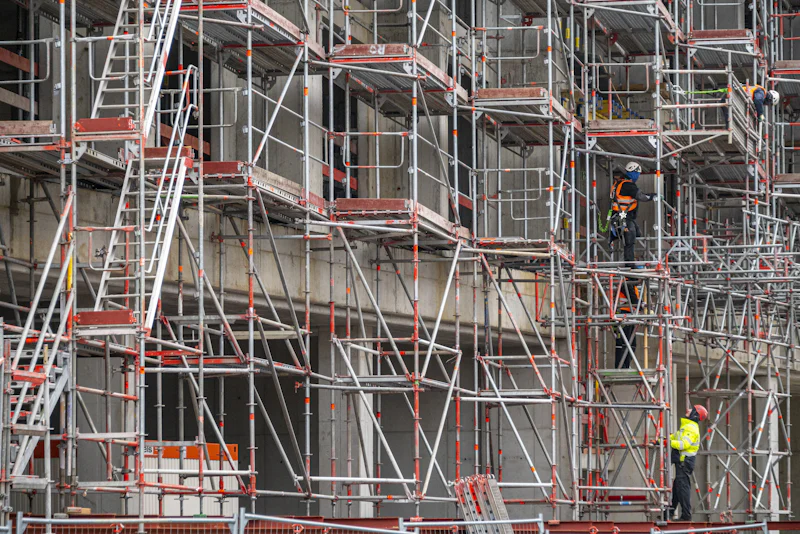
Dismantling a typical shed takes a day to a few days depending on its length. The paperwork is usually slower, which is why we prepare close-out records while the last repairs are still underway.
Dismantling is normally done under the shed's existing permit, so keeping that permit current until removal day avoids extra filings and fees.
Renewals continue for as long as the condition behind the shed stays open. Ending the cycle means finishing the repairs, which is where our crews put their effort. See our full facade repair service