
Balcony and Railing Repair in NYC, Done Safely With Residents at Home
Balconies draw some of the closest attention in a FISP exam, because a loose railing or a crumbling slab edge puts people at risk the moment they step outside. Our licensed and insured crews rebuild the concrete, reset or replace railings to current code, and plan every visit around the people who live there, with each repair documented for your QEWI.
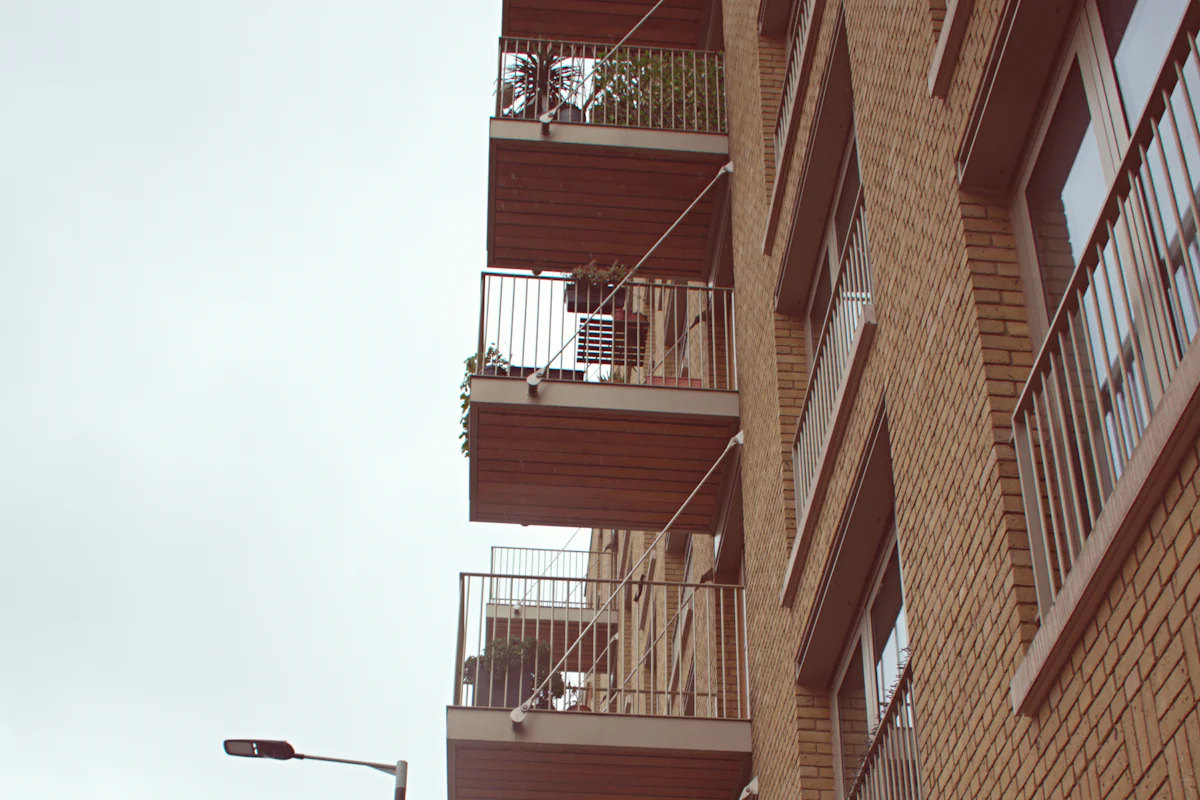
What Balcony and Railing Repair Covers in NYC
Balcony repair restores the slab, the edge and the guard so the space can be used safely again. On NYC high-rises that usually means chipping out spalled concrete and treating the rusted rebar beneath it, resetting railing posts whose pockets have cracked, renewing the waterproofing on the walking surface and, when a guard can no longer be saved, replacing it. During the FISP exam the QEWI checks each balcony and railing for stability and secure attachment, and a guard that shifts when pushed is usually rated Unsafe.
Replacement brings stricter rules. DOB expects a guard that is replaced or substantially repaired to meet the current code, which generally means a top rail at least 42 inches above the balcony floor, openings that will not pass a 4 inch sphere, and strength to resist 50 pounds per foot along the rail and 200 pounds at any single point. Structural repairs need DOB approval, and balcony enclosures built without permits are called out in the report.
| Balcony Entry in the Report | The Repair We Carry Out |
|---|---|
|
Spalled concrete at the slab edge or soffit |
Chip back to sound concrete, clean and coat or replace exposed rebar, then rebuild the edge with repair mortar and a drip that sheds water |
|
Cracked concrete around railing posts |
Core out the pocket, remove rust from the post base, and reset it in non-shrink grout under a sealed cap |
|
Railing loose, bent or shifting when pushed |
Lock off the balcony, then re-anchor the posts or replace the guard with one built to current height, opening and load limits |
|
Corroded steel balcony framing or brackets |
Clean and prime sound steel, plate or replace sections that have lost thickness, and seal joints where water collects |
|
Failed waterproofing or ponding on the deck |
Correct the slope, add or clear drains, and apply a traffic-grade membrane that stops water reaching the slab |
|
Balcony enclosure with no permit on record |
Document it for the QEWI, then legalize it through a filing or remove it and restore a compliant guard |
Balcony Items in Your FISP Report and the Fix for Each
Balcony findings tend to repeat from floor to floor. These are the entries we see most and the work each one calls for.
What Wears Down Balconies on NYC High-Rises
Balconies sit exposed on three sides, so a small leak turns into structural damage faster than it would on the wall behind them.
Salt and Freeze Cycles
De-icing salt and trapped water work into the concrete, and each freeze widens the cracks around the rebar.
Rusting Post Pockets
Water collects where railing posts enter the slab, and the rust that forms splits the concrete open from the inside.
Loads They Were Never Built For
Planters, hot tubs, heavy furniture and homemade enclosures add weight the original design did not plan for.
Balcony Repair From Survey to Reopening
Survey Every Balcony
Each slab, soffit and railing is checked and logged by line and floor, so the scope matches the report item by item.
Close What Is Unsafe
Balconies with loose guards are locked off right away, and residents are told in writing why and for how long.
Repair Concrete Before Steel
Slab and edge repairs cure first, so reset posts and new guards anchor into sound material.
Check and Reopen
Railings are checked for firm attachment and the QEWI reviews the work before each balcony is handed back.
Working Around Residents During Balcony Repairs
Balcony work happens on the other side of someone’s living room. These four habits keep the job moving and the building calm.
Notice Before Every Visit
Residents receive written notice of the dates their balcony and line will be worked on, well ahead of time.
One Vertical Line at a Time
Crews move stack by stack, so only a few apartments are affected at once and each line finishes quickly.
Doors Secured While Balconies Are Closed
Closed balconies get door barriers and signs so no one steps onto an open slab or a missing railing.
Clean, Quiet Work Hours
Dust is contained, tools stay clear of furniture and loud work keeps to agreed hours.
Scaffolds, Swing Stages and Permits for Balcony Work
Swing Stages for Tall Stacks
Suspended platforms reach balcony edges and soffits floor by floor without entering every apartment.
Protection Below Every Drop
Netting, catch platforms or a sidewalk shed keep chipped concrete off terraces and the sidewalk.
Filings for New Guards
Structural repairs and guard replacements are filed with DOB, with drawings showing the new railing meets code.
Did your FISP report flag a balcony or railing? Share it with us for a price on each one by line and floor.
Balcony Records Built for Boards and Residents
Balcony by Balcony Log
Every unit listed with its condition, repair and status, so the board can answer any resident.
Resident Notice Schedule
Dates for each line and floor, ready to send to shareholders or tenants.
Railing Code Details
Shop drawings showing height, openings and anchorage for any new guard.
Reopening Sign-Offs
Photos and records showing when each balcony is safe and handed back.
Balcony and Railing Repair Costs and What Moves Them
Balcony work is priced per unit and per repair type. Five factors set the total.
Number of Balconies Affected
A few spalled edges cost far less than repairs on every line.
Depth of Concrete Damage
Shallow spalls patch quickly, while corrosion deep in the slab means more removal and new steel.
Repair or Replace the Railing
Resetting posts costs less than a full guard replacement built to current code.
Access Method
Swing stages, pipe scaffold or work from inside each apartment each carry a different setup cost.
Waterproofing Scope
A new traffic membrane across the deck adds material and curing time.
Balcony Problems Residents Notice First
- Rust Stains Below the Edge. Orange streaks on the soffit or the wall below usually mean rebar is corroding inside the slab.
- A Railing That Gives When Leaned On. Any movement at the top rail points to failing anchors at the posts.
- Cracks Circling the Post Bases. Hairline cracks around a post often appear before a piece of concrete breaks away.
Balcony and Railing Repair Questions From NYC Owners
Under the current code, guards generally need a top rail at least 42 inches above the balcony floor. Older railings can keep their original height until they are replaced or substantially repaired, at which point they must meet current requirements.
Not automatically. An existing guard that is stable and has not been substantially altered can generally stay, but any replacement or major repair has to meet the code in force at that time.
The stability of the slab and its supports, the condition of the concrete and steel, and whether each railing is firmly attached. Railings that move, posts cracked loose and enclosures without permits all end up in the report.
The balcony is closed to residents right away and the inspector notifies DOB. The repair then has to be finished within the Unsafe correction period, followed by an amended report.
Yes. Most work happens from outside on swing stages or scaffold, and crews enter apartments only when needed and with advance notice.
Solid enclosures need a DOB permit, and screens installed on or after October 2, 2011 need one when they sit 40 feet or more above grade. Enclosures without permits are noted in the FISP report and must be legalized or removed.
A single balcony usually needs a few days of active work plus curing time before the railing is reset. Larger projects move line by line over several weeks.
Galvanized or powder-coated steel, aluminum and stainless steel all perform well when the posts are sealed against water. The detail at the post base matters more than the metal itself.
Yes. Clearing the balcony protects belongings and lets crews reach the slab, the edge and every post.