
Unsafe Facade Repairs in NYC, Built Around the 90 Day Deadline
An Unsafe rating means part of the facade could hurt someone below, and the repair clock starts running on the filing date. Our licensed and insured crews act quickly to make the wall safe, rebuild what failed and hand your QEWI the records needed for the amended report that lifts Unsafe status.
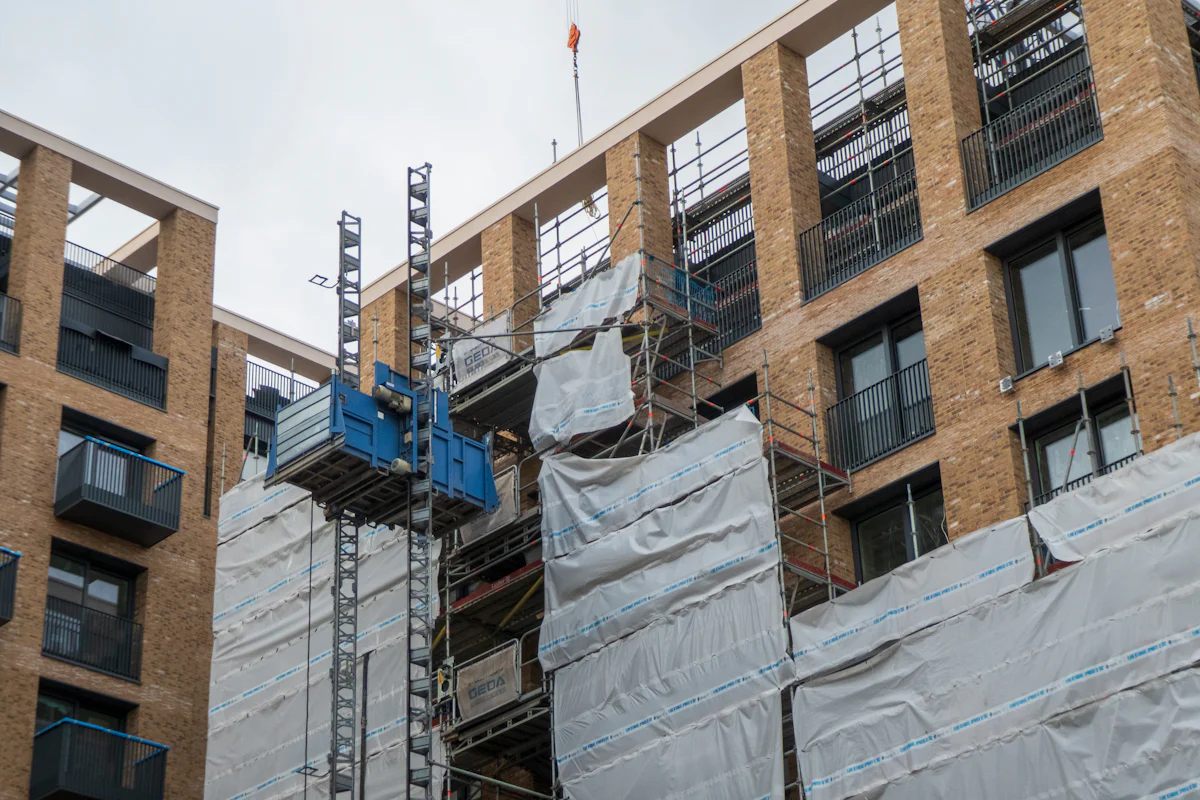
What an Unsafe Facade Rating Requires From Owners
An inspector flags a condition as Unsafe when it poses a danger to the public or to the building, or when it would need repair inside a year. Loose brick, cracked stone that could drop, a leaning parapet and a railing that no longer holds are common examples. The inspector alerts the owner and DOB immediately, public protection such as a sidewalk shed is installed at once, and the repair work is expected to start without delay.
From there, the owner has 90 days from the report filing to correct every Unsafe item. When the scope cannot finish in that time, the QEWI can ask DOB for up to 90 more days on form FISP1 and later extensions on FISP2, each with a $305 fee, though never past the completion date the inspector recommended. Within two weeks of the final repair, the QEWI files an amended report, and Unsafe status ends only when DOB accepts it.
| What the Report Says | What We Do |
|---|---|
|
Loose or displaced brick at the parapet or upper floors |
Hand-remove loose units the same day, then rebuild the section on sound backing with new ties and flashing |
|
Bulging or cracked masonry over a corroded lintel |
Shore the opening, take down the affected brick, set a new galvanized or stainless lintel and relay the wall |
|
Cracked stone or terra cotta at risk of falling |
Take down unstable pieces under control, then pin, patch or replace the unit and anchor it to the structure |
|
Parapet leaning or pulling away from the roof |
Brace or dismantle the unsafe run, then rebuild the parapet with new coping and through-wall flashing |
|
Balcony guard or railing that moves under hand pressure |
Close the balcony to residents, renew the anchors and slab edge, and load test the guard before it reopens |
|
Window frames or air conditioner brackets working loose |
Secure or remove the loose element, repair the masonry around it and refasten with corrosion resistant hardware |
From Unsafe Entries in Your Report to Finished Repairs
Unsafe entries describe conditions that have already let go or are close to it. Each one is made safe first, then repaired for good.
How Facade Conditions Escalate to Unsafe
Few conditions start out Unsafe. Most get there along one of three paths.
Repairs due from the last report that were never finished must be reported as Unsafe at the next exam.
Repairs That Did Not Hold
A condition fixed earlier in the cycle that needs work again is presumed to have been repaired poorly and gets rated Unsafe.
Sudden Damage Between Exams
Storms, impact, a failed anchor or one hard winter can loosen material that looked sound at the last inspection.
How We Take a Facade From Unsafe to Accepted
Make the Area Safe First
Crews confirm the shed, netting or barricades cover every hazard and take down loose pieces before any other work starts.
Scope Each Unsafe Item
Every condition gets a measured quantity, a repair method and a realistic duration, so the QEWI can judge early whether an extension will be needed.
Repair in Order of Risk
The most hazardous items come first, and long-lead materials are ordered on day one so they never hold up the finish.
Hand Over Close-Out Records
Photos, product data and a completion letter go to the QEWI, ready for the amended filing.
First Steps After an Unsafe FISP Filing
The first weeks after an Unsafe report decide whether 90 days will be enough. This order keeps owners on track.
Day One, Protect the Public
A sidewalk shed, netting or a closed-off zone goes up wherever an Unsafe condition hangs above people.
First Week, Get the Scope Priced
Send us the report so each Unsafe item can be measured, priced and placed on a schedule.
Weeks One and Two, Permits and Materials
Work permits, rigging approvals and any custom stone or steel are lined up at the same time.
Before Day 90, Finish or Extend
Crews complete the repairs, or the QEWI files an extension with a revised date before the window closes.
Two Weeks After Completion, Amended Report
The QEWI inspects the work and files, and the shed can come down once DOB accepts.
Sheds, Rigging and Permits on an Unsafe Job
The Shed Is Already Standing
Protection installed after the filing often supports the scaffold above it, so crews can start without waiting on a fresh setup.
Rigging for Fast Access
Suspended scaffolds and rope access reach upper floor hazards quickly, while pipe scaffold is engineered for heavier rebuilds.
Clearing Finished Sections
Once a section is certified safe, DOB can approve removing the shed there while crews keep working on the rest.
Just received an Unsafe filing or found debris on the sidewalk? Call (917) 355-8556 and we will start on protection and a repair plan right away.
Documents Boards Receive During Unsafe Repairs
Unsafe Item Scope
Each Unsafe condition priced and sequenced by risk, following the numbering in the report.
90 Day Tracker
A weekly view of progress against the correction deadline and any extension date the QEWI has filed.
Insurance in Place Early
Certificates covering the board and managing agent issued before crews arrive on site.
Amended Report Package
Completion photos, product data and signed records the QEWI needs to file and end Unsafe status.
What Affects the Price of Unsafe Facade Repairs
Unsafe work carries urgency costs that SWARMP work does not. These five factors shape the bid.
Severity and Number of Items
Rebuilding a detached parapet costs far more than resetting a few loose bricks, so the mix of Unsafe items sets the baseline.
Emergency Mobilization
Starting within days instead of weeks can mean premium crew scheduling and expedited rigging.
Shed Length and Duration
Every month and every linear foot of sidewalk shed adds rent, and newer shed rules add penalties when work stalls.
Extension Filings
Each extension request adds a DOB fee and inspector time, so a schedule that finishes inside 90 days avoids them.
Material Lead Times
Custom stone, recast terra cotta and fabricated railings take weeks to produce, which can push a job past the first window.
Warning Signs a Facade May Already Be Unsafe
- Debris on the Sidewalk or Setbacks. Chips of brick, stone or mortar below the building usually mean material is breaking free somewhere above.
- Cracks That Widen or Walls That Bulge. Movement that shows up between inspections points to rusting steel or failed ties behind the face.
- Railings or Brackets That Shift. A guardrail, fire escape or air conditioner support that moves by hand needs attention before the next exam, not at it.
Unsafe Facade Repair Questions From NYC Owners
Within 90 days of the FISP report filing. Public protection must be installed immediately, and work should begin right away rather than near the end of the window.
Yes. The QEWI can file a first request for as many as 90 extra days on form FISP1 and further extensions on FISP2, each with a $305 DOB fee. No extension can run past the completion date the inspector recommended, and that date cannot sit more than five years out.
Yes. The inspector must notify the owner and DOB immediately, file a Notification of Unsafe Conditions on form FISP3 and call 311 or 911 when the hazard is urgent.
The QEWI does, after inspecting the finished work, and the filing carries a $425 DOB fee. It is due within two weeks of the last correction, and our records give the inspector everything needed to file on time.
DOB charges monthly civil penalties under its facade rule that scale with the length of the shed. Local Law 48 of 2025, in effect since late January 2026, also adds penalties at shed renewal when no work is in progress, from $10 up to $200 per linear foot per month depending on the shed's age, capped at $6,000 a month.
The shed or netting remains until the amended filing is accepted by DOB. Elevations finished early can be cleared sooner through a Partial Shed Removal request, which keeps the rest of the shed in place. See how shed removal works
The owner still has to act. Buildings must be kept safe at all times, so an owner who learns of a hazardous facade condition has to notify DOB and put up protection even outside a filing cycle.
No. Unsafe means the condition needs protection and repair within 90 days. When DOB finds an immediate danger, it can issue an emergency declaration and have city contractors do the work, billing the owner.
Yes, and doing so usually shortens the job. Coordinating protection, rigging and repairs under one firm keeps the shed from standing while separate trades wait on each other.