
Local Law 11 Inspection in NYC, Coordinated With an Independent QEWI
Every FISP cycle begins with a critical examination, and the only person allowed to perform and sign it is a Qualified Exterior Wall Inspector. We never inspect or rate a facade. Our licensed and insured crews connect you with an independent QEWI, set up the access and probes the exam calls for, and stay ready to fix each condition the report records.
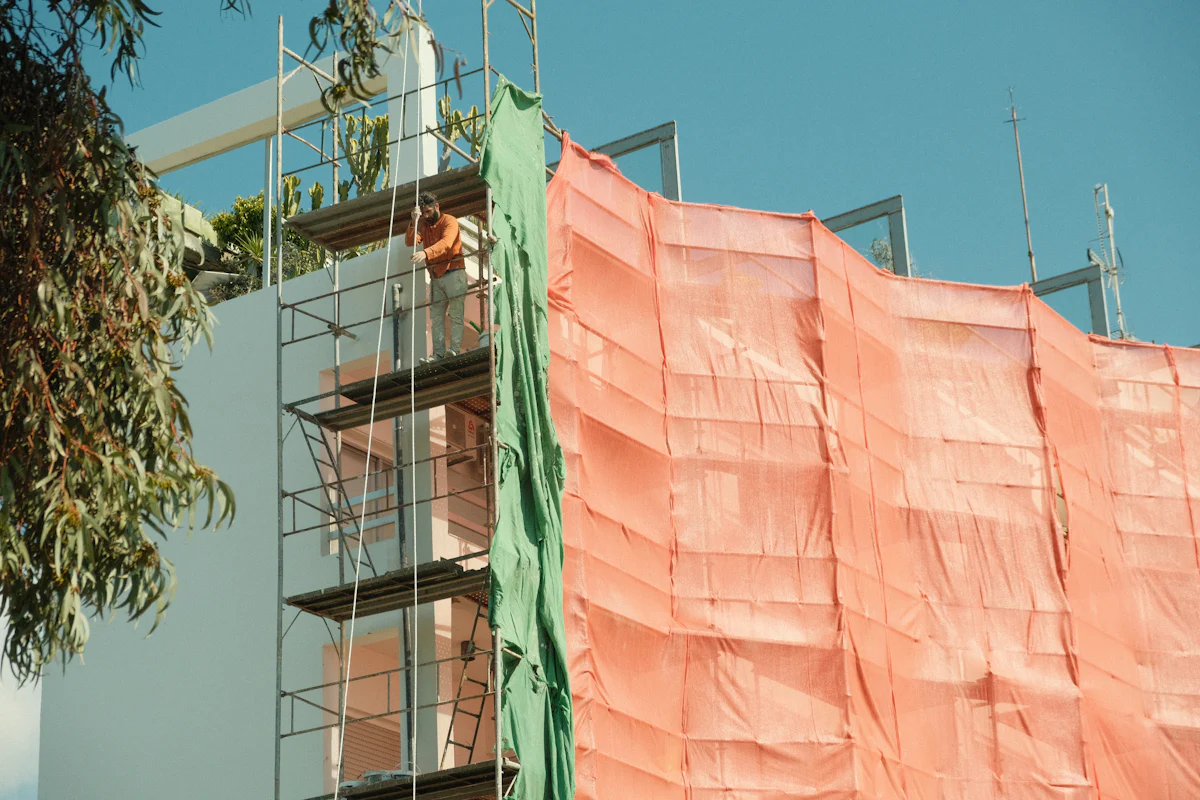
What a Local Law 11 Inspection Involves
A Local Law 11 inspection, known as the FISP critical examination, comes due once every five years for any building over six stories. It is carried out by a New York State licensed engineer or architect whom DOB has approved as a QEWI, with at least seven years of relevant experience. The inspector looks at every elevation, makes close-up checks from a scaffold or platform at least every 60 feet along street-facing walls, and gives each condition a Safe, SWARMP or Unsafe rating.
The owner retains the inspector, and the report must reach DOB NOW inside a 60 day window that opens at the final inspection, and never more than a year after the close-up work. Filing outside the building’s window brings a $1,000 charge for every month of delay, plus $5,000 for each year nothing is filed. Our part is the practical side, arranging access, opening probes on cavity walls and keeping the inspector’s schedule moving.
| What the Exam Requires | How We Support It |
|---|---|
|
Close-up examination no more than 60 feet apart on street-facing walls |
Set scaffold drops or suspended platforms where the QEWI marks them, running from grade to the roof and past every setback |
|
Probes on cavity wall construction along each close-up interval |
Cut the openings where the inspector directs, then rebuild them with matching brick and mortar once the ties are recorded |
|
Review of earlier FISP reports and repair history |
Collect past filings, permits and our own repair records so the inspector sees what was fixed and when |
|
Loose material found during the exam |
Take it down or secure it on the spot when the inspector asks, so nothing hazardous stays above the sidewalk |
|
A visual survey of every elevation, not a drive-by |
Open roofs, courtyards and setbacks so the inspector can study the walls a scaffold never reaches |
|
Public protection when Unsafe conditions turn up |
Put up a shed or netting quickly so the building meets the protection rule while repairs are planned |
What the FISP Exam Requires and How Our Crews Support It
The rule spells out the method for every exam. Much of it depends on access and labor that a repair contractor can supply.
Why FISP Inspections Fall Behind Schedule
Most late filings trace back to logistics rather than engineering. Three problems come up again and again.
Inspectors Book Up Early
Approved QEWIs are in heavy demand during each filing window, so owners who wait can struggle to find one before the deadline.
Access Is Not Ready
Without scaffold drops, roof access or a neighbor’s permission in place, the close-up exam cannot go ahead on the booked date.
The Clock Runs From the Close-Ups
The report is due within a year of the close-up work, so a slow start can force part of the exam to be repeated.
How We Coordinate Your Local Law 11 Inspection
Confirm Your Filing Window
We use the block number to find your sub-cycle and set an exam date with room to spare before the deadline.
Introduce Independent Inspectors
We share contacts for DOB approved QEWIs, and you hire the one you choose directly.
Set Up Access and Probes
Scaffold drops, rigging and probe openings go in wherever the inspector’s plan calls for them.
Price the Findings
Once the report is filed, each SWARMP and Unsafe item gets an itemized repair scope from our team.
Who Does What During a FISP Inspection
Keeping the inspector and the contractor separate protects the owner. This is how the work divides.
The Independent QEWI
- Designs the inspection plan and picks the close-up locations
- Examines the facade and rates every condition
- Signs and files the technical report in DOB NOW
- Checks finished Unsafe repairs and files the amended report
Our Licensed and Insured Crews
- Install scaffold drops, platforms and rope access
- Open and close cavity wall probes
- Secure loose material the inspector flags
- Repair SWARMP and Unsafe items after the filing
Scaffold Drops, Rigging and Neighbor Access for the Exam
Drops Placed by the Plan
Each drop runs from the sidewalk to the roof line, so the inspector can stop at every setback on the way up.
Roof and Neighbor Access
We arrange tie-back points, roof protection and any license agreement needed to rig from an adjoining building.
One Setup, Two Jobs
Permitted rigging that stays in good condition can carry straight into the repair phase, avoiding a second mobilization.
Is your FISP filing window open? Call us to line up an inspector, access and a repair plan well before the deadline.
What Boards Receive When We Coordinate the Exam
Filing Window Summary
The sub-cycle, the deadline and target dates for the close-up work and the filing.
Inspector Options
Contacts for independent QEWIs so the board can compare proposals and hire directly.
Access Plan
Drop locations, rigging method and any neighbor agreements, with insurance certificates attached.
Post-Filing Repair Scope
An itemized price for every condition the report lists, ready soon after it is filed.
Inspection Access Costs and What Drives Them
The QEWI sets its own fee. Access and support costs depend on five things.
Number of Close-Up Drops
Every 60 feet of street frontage adds a required drop, so longer facades need more rigging.
Height and Roof Layout
Tall walls and stepped setbacks need more rigging moves to carry each drop from grade to roof.
Probe Count
Cavity wall buildings need probes along each close-up interval, and every one is opened and rebuilt.
Neighbor and Sidewalk Permits
Rigging from an adjoining roof or blocking the sidewalk can call for agreements and DOB permits.
Reuse for Repairs
Keeping the same access in place for the repair phase spreads one setup cost across both jobs.
Getting the Building Ready Before Inspection Day
- Pull the Last Two Reports. Earlier FISP filings show which conditions the inspector will check first and whether past repairs held.
- Clear Roof and Setback Paths. Unlocked bulkheads, cleared terraces and a contact for each setback keep the inspector moving.
- Ask the Neighbors Early. Rigging from a next-door roof can take weeks to agree, so the request goes out before the exam is booked.
Local Law 11 Inspection Questions From NYC Owners
Only a QEWI, which means an engineer or architect licensed by New York State and approved by DOB, holding at least seven years of relevant experience. Trained staff may help with selected tasks, but only under the inspector's direct supervision.
No. A contractor cannot rate conditions or sign a FISP report. We handle access and field support while an independent QEWI examines the building and files.
Look at the last digit of the tax block. Blocks ending in 4, 5, 6 or 9 must file by February 21, 2027, blocks ending in 0, 7 or 8 by February 21, 2028, and blocks ending in 1, 2 or 3 by February 21, 2029, all within Cycle 10.
At least one for every 60 feet of facade that faces a street or other public right-of-way, with each drop running from the sidewalk to the top of the wall.
No. Drones, high-resolution photos and nondestructive testing can support the exam, but DOB does not accept them in place of close-up inspection.
Small openings in a brick veneer wall that let the inspector check the metal ties holding it to the backup wall. They are needed along each close-up interval in odd-numbered cycles unless an exception in the rule applies.
The filing window closes 60 days after the final inspection, and it can never fall more than a year after the close-up examination. DOB charges a $425 fee for the initial filing.
DOB adds $1,000 per overdue month, and an unfiled report draws a further $5,000 each year. Any hidden Unsafe conditions also stay unaddressed in the meantime.
Often, yes. When the access is permitted and still sound, crews can start repairs from it once the report is filed, which avoids paying to rig the building twice. See our facade repair work